
What is Myopia?
Myopia is blurry long-distance vision, often called short-sightedness. A person with myopia can typically see clearly up close when reading a book or viewing a laptop, while words and objects appear fuzzy on a whiteboard, television, when looking outdoors or when driving.
Why is Myopia a concern?
The rate of myopia is growing across the world, increasing from 22% in 2000 to 33% in 2020, with half of the world’s population expected to be myopic by 2050. Most myopia is caused by the eye length growing too quickly in childhood. The eyes are expected to grow from birth until early teens and then stop, however, with myopia the eyes can grow too much and continue growing into the teenage years. Once a child becomes myopic their vision typically deteriorates every 6-12 months, requiring a stronger prescription. Most myopic children’s vision tends to stabilise by the late teens and early 20’s. Excessive eye growth raises concerns as even small amounts of growing can lead to an increased likelihood of sight-threatening eye diseases in later life, such as myopic macular degeneration, retinal detachment, glaucoma and cataract.
Why manage Myopia in children?
Myopia progresses faster in younger children, especially those under 10. Early intervention in the younger years gives the best opportunity to slow eye growth. Myopia management aims to apply specific treatments to slow the excessive eye growth to a lesser rate. Experts agree the best time to start myopia management should be for children under 12 and typically continue into the late teens.
The short-termbenefitof slowing myopia progression is that a child’s prescription will change less quickly, giving them clearer vision between eye examinations. The long-term benefitis reducing the lifetime risk of eye disease and vision impairment. This risk increases as myopia does, with the good news being lowering the myopia by only 1 dioptre reduces the lifetime possibility of myopic macular degeneration by 40% and the risk of vision impairment by 20%.
Treatments for slowing Myopia progression
Standard single vision long distance spectacles or contact lenses do not slow down the progression of childhood myopia.
Instead, specific types of spectacles and contact lenses have been proven to slow myopia progression in children.
The best option will depend on their current prescription, other vision and eye health factors determined during their eye examination. It is important to note no treatment can promise to stop myopia progression in children, only to slow it down.
Spectacles
Myopia controlling spectacle lenses can both correct the blurred vision and work to reduce the myopic progression. They are safe to wear and adaptation is typically easy, with the only side effects being related to the limitations spectacles pose for sports and active lifestyles.

Day contact lenses.
These soft contact lenses are worn during waking hours with the options of either daily or monthly disposable lenses. The eye typically adapts to these contact lenses within a few days. Daily disposable lenses have the safest wearing modality.
Night contact lenses.
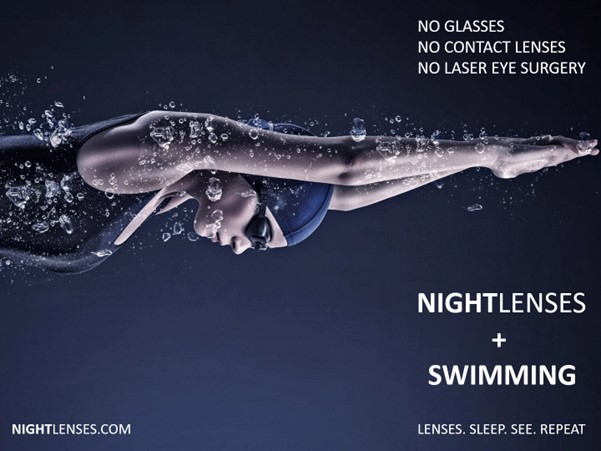
These contact lenses are worn while sleeping and removed on waking, meaning no spectacles or contact lenses are required for clear vision during the day. Initial fitting of these contact lenses typically requires more appointments than other types of myopia control treatments. Adaptation to night lenses can potentially take 1-2 weeks however they rarely affect sleep. This type of myopia management offers significant benefits for active lifestyles including water sports.
For further information please call the practice on 01224 863344 or via our contact form.
For more scientifically based independent advice on childhood myopia and its management please visit mykidsvision.org.